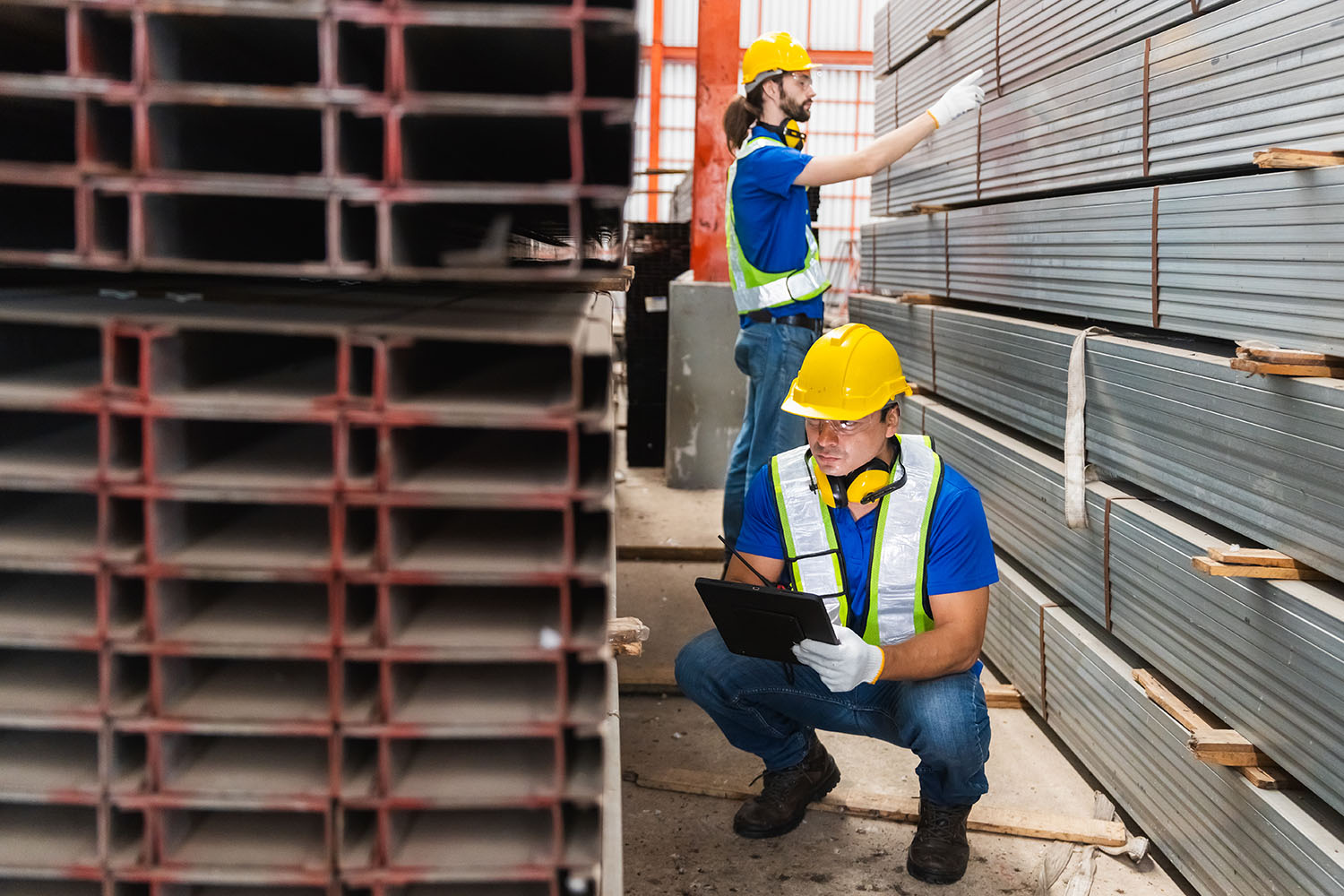
C Channel vs U Channel Steel: Which One Fits Your Project?
Steel channel is one of the most versatile components across construction, industrial manufacturing, and structural engineering. Whether for reinforcement, bracing, or framing, steel channels provide essential support in a wide range of applications. However, not all steel channels are equal. Two of the most common forms, C channel steel and U channel steel, offer distinct advantages depending on the project’s requirements. Understanding the differences between these two profiles is key to selecting the right products for strength, alignment, and overall project performance.
Profile Shape and Structural Design
The most notable and visible difference between U channel and C channel steel is in the product’s profile shape.
U channel steel has a symmetrical U-shaped profile with straight vertical sides and a flat base. This profile offers a clean, simple geometry that is easy to install and align. Project managers and purchasing personnel often use U channels in applications calling for edge support, trimming, or enclosure framing.
C channel steel usually features additional flanges or slight tapers along the inner edges of the channel legs, creating a stronger and more rigid profile. These flanges increase the channel’s ability to resist twisting and provide additional strength, particularly in structural and load-bearing applications.
Strength, Rigidity, and Load Capacity
While both shapes are durable and perform well under standard conditions, C channel steel is generally stronger in terms of structural support. Its added flanges and wider web allow for better load distribution, which makes it ideal for projects requiring high torsional strength or where long spans are necessary.
U channel steel is more suitable for non-structural or lighter-duty use. Its symmetrical design allows it to function well as edge protection, decorative trim, and a supporting guide in enclosures or sliding track systems.
Application Fit and Use Cases
| C CHANNEL STEEL |
U CHANNEL STEEL |
| Building construction and structural framing |
Architectural trim and edge finishing |
| Roof purlins, wall studs, and bridging systems |
Sliding doors, track systems, or guide rails |
| Heavy equipment frames or trailers |
Light-duty frames or partitions |
| Industrial platforms or rail systems |
Enclosures and panel supports |
Selecting the appropriate channel depends on several factors, including load requirements, installation conditions, and connection methods. C channel steel is better suited for projects that need strength and rigidity, while U channel steel is ideal for streamlined installation and lighter-duty demands.
Material Options and Processing Considerations
Both channel types are commonly available in carbon steel grades such as ASTM A36, A529, A572, and hot-rolled configurations. Ultimately, the choice between C channel and U channel steel should depend on the specific application needs, considering both mechanical performance and installation context. Choosing the right form factor can enhance structural integrity, reduce material waste, and streamline the overall construction or manufacturing process.
LEARN MORE: COMPARING TYPES OF STEEL CHANNEL, TUBES, AND BEAMS IN FRAMING APPLICATIONS
Supporting Smarter Manufacturing Systems with Steel Channels
Steel channels are fundamental to building and maintaining effective manufacturing environments. While they are often overlooked compared to more complex components, these open-profile steel shapes provide unmatched versatility, strength, and adaptability. Their design supports structural framing as well as dynamic movement, critical elements of high-performing manufacturing and production systems.
Anchoring Strength: Steel Channels in Machine Foundations
In environments where machines generate high loads, vibration, and motion, structural consistency is non-negotiable. Steel channels form the framework beneath presses, conveyor lines, robotic cells, and CNC enclosures. Their strength and rigidity offer a stable base for mechanical systems and reduce the impact of repetitive force or prolonged motion.
Unlike enclosed structural shapes, the flanges and open faces of steel channels simplify bolting, welding, and other connections. This ease of integration makes steel channel ideal for subframes, mounting rails, or embedded supports. When production lines evolve or machinery layouts change, channels allow for targeted modifications without replacing entire base structures.
Motion and Mechanical Guidance
In systems where movement is constant, such as conveyor belts, roller tracks, or automated carts, steel channels serve as guiding infrastructure. U channel steel, in particular, is well-suited for guiding rollers, wheels, or gliders along precise paths. Its vertical walls contain and align components, reducing wear and preventing misalignment over time.
Because consistent motion depends on reduced friction and minimized drift, precision-fabricated steel channels help maintain accuracy and reduce maintenance requirements. Within track systems or motion guides, they offer a durable, low-maintenance solution for repeated industrial manufacturing use.
Durability in Demanding Conditions
Manufacturing plants often expose materials to moisture, temperature extremes, impact, and chemical exposure. In appropriate grades and with the proper coatings, steel channels can withstand demanding conditions while maintaining structural integrity. Options such as galvanized finishes, stainless steel alloys, or high-strength, low-alloy materials provide resistance to corrosion, deformation, and fatigue.
This resilience makes steel channels ideal for harsh environments like chemical processing, food-grade production, or heavy industrial machining. Their ability to retain performance in aggressive settings gives production managers and plant engineers confidence in steel channel long-term reliability.
Efficiency in Fabrication, Maintenance, and Upkeep
The open geometry of steel channels accelerates fabrication processes. Their flanges and web profiles are easy to drill, cut, notch, or weld, allowing faster turnaround in shop-floor modifications or system buildouts. Maintenance teams also value this accessibility. Inspecting or reinforcing a piece of channel steel requires minimal disassembly, making it easier to address issues before they impact production.
Should a section require replacement, standardized steel channel sizes simplify procurement and installation while supporting design consistency, unlike custom-fabricated assemblies or enclosed structural members.
Infrastructure for Smart Manufacturing
Modern production systems require more than mechanical stability. They also need support for control systems, electrical wiring, sensors, and monitoring equipment. Steel channels serve this dual role by supporting both structure and systems integration. Channels often carry cable trays, house conduit, or provide mounting points for operator interfaces and automation controllers.
In advanced production setups, such as robotic welding arms, precision assembly stations, or laser inspection units, channels form the mounting infrastructure that ensures accuracy and consistency. Their shape allows for consistent, repeatable attachment and alignment across interconnected systems.
From structural stability to intelligent system support, C channel steel and U channel steel are vital contributors to efficient, adaptable manufacturing operations. Their design supports the movement, control, and modular infrastructure that defines modern industrial success.
LEARN MORE: OVERCOMING COMMON CHALLENGES WITH STEEL CHANNEL